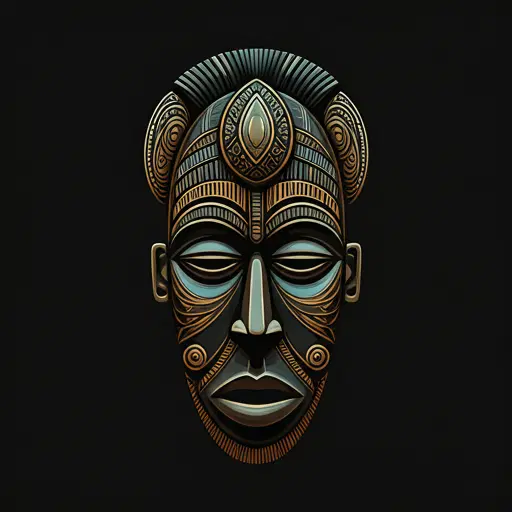
An African tattoo is more than body art — it is a statement of connection to the oldest continuous cultures in human history. Whether you are drawn to the philosophical depth of Adinkra symbols, the spiritual power of the ankh, the geometric precision of Ndebele-inspired patterns, or the raw beauty of scarification-influenced designs, Africa’s visual traditions offer a wealth of inspiration that no other source can match. This guide walks you through the major design categories, explains their cultural significance, offers placement ideas, and provides practical advice on finding an artist who can execute your vision with both technical skill and cultural knowledge.
African Tattoo History
Body marking has been practiced in Africa for thousands of years, making the continent one of the cradles of tattoo culture. As detailed in our Tribal Tattoo Meaning guide, African body marking encompasses tattooing (inserting pigment under the skin), scarification (creating raised scar patterns), body painting, and branding. Each tradition carries specific cultural meanings related to identity, beauty, status, spiritual protection, and rite-of-passage completion.
Ancient Egypt provides some of the earliest evidence of tattooing in Africa. Tattooed mummies dating to at least 2000 BCE have been discovered, with designs including geometric dot patterns and images of the god Bes (a protector of women and children). In sub-Saharan Africa, scarification was generally preferred over ink-based tattooing because raised scars are more visible on dark skin, but tattooing with ash, charcoal, and plant-based pigments was practiced in numerous communities across the continent.
The modern African tattoo movement draws on this deep history while embracing contemporary techniques and aesthetics. Advances in tattoo technology — particularly inks and techniques optimized for dark skin — have expanded what is possible. Artists of African descent worldwide are creating work that honors traditional designs while pushing creative boundaries, and clients increasingly seek tattoos rooted in specific African symbol systems rather than generic “tribal” patterns. This is a golden age for African-inspired body art.
Symbol-Based Designs (Adinkra, Ankh, Sankofa)
Symbol-based designs are the most popular category of African tattoos because each symbol comes with a clear, powerful meaning. The Adinkra symbols of Ghana are a particularly rich source: with over eighty distinct symbols, each encoding a specific proverb or philosophical concept, there is an Adinkra symbol for nearly every personal value or life lesson you might want to carry on your skin.
Top Adinkra tattoo choices: Gye Nyame (supremacy of God) is the most popular, a striking design that works well at almost any size. Sankofa (learn from the past) is available in two forms — a stylized heart shape and a bird turning its head backward — both of which translate beautifully into tattoo art. Dwennimmen (ram’s horns, symbolizing humility and strength) creates an elegant symmetrical design. Funtunfunefu Denkyemfunefu (Siamese crocodiles sharing one stomach, symbolizing unity and shared destiny) makes a dramatic larger piece.
The ankh remains one of the most tattooed African symbols worldwide. Its clean lines and instantly recognizable shape make it versatile across sizes and placements. The Eye of Horus (protection and healing), the scarab beetle (rebirth and transformation), and the djed pillar (stability and endurance) are other popular Egyptian-origin designs. Many clients combine multiple symbols into composite designs that tell a personal story — an ankh paired with Sankofa, for example, might represent the intersection of ancestral life-force and the commitment to learning from heritage.
Portrait and Figurative Designs
Portrait and figurative African tattoos go beyond abstract symbols to depict specific figures, scenes, and cultural imagery. Popular choices include portraits of African leaders, ancestors, and cultural icons; depictions of African masks (particularly Dan, Fang, and Chokwe mask traditions); images of orisha and other spiritual figures; scenes from African life (market women, dancers, musicians, warriors); and representations of African wildlife and landscapes.
This category requires a skilled artist with experience in portrait work and an understanding of African aesthetics. A poorly executed African mask tattoo or an orisha portrait that misrepresents the tradition can be both aesthetically disappointing and culturally disrespectful. Work with an artist who takes the time to research the specific mask tradition, deity, or cultural figure you want depicted, and who understands the visual conventions of the originating culture.
The African continent map is one of the most popular figurative tattoos among people of African descent. It serves as a broad statement of Pan-African identity without claiming allegiance to a specific ethnic group or nation. Many clients personalize the map by highlighting their ancestral region, incorporating symbols or text, or combining the map with other African imagery. A continent map paired with Adinkra symbols, ankh imagery, or the coral bead motifs of the Itsekiri can create a deeply personal piece that connects individual identity to continental heritage.
Geometric and Pattern Designs
Africa is home to some of the most sophisticated geometric pattern traditions in the world, and these translate stunningly into tattoo art. Ndebele mural patterns — bold lines, bright colors, and precise geometric shapes — create striking armbands, leg wraps, and chest pieces. Kuba textile patterns from the Congo, with their complex interlocking shapes and asymmetrical compositions, produce unique designs that are unmistakably African yet feel thoroughly contemporary.
Scarification-inspired designs use fine lines, dot patterns, and raised-effect shading to evoke the texture of traditional African body marking without the actual scarification process. These designs reference the Tiv, Nuba, Dinka, and other scarification traditions, translating three-dimensional scar patterns into two-dimensional tattoo art. Some artists use white ink highlights or texture-building techniques to simulate the raised quality of scarification marks.
African patterns from textiles — kente weaving patterns, mudcloth (bogolan) motifs, ankara wax print designs — also make excellent tattoo inspiration. A band of kente-inspired patterns around the bicep, a mudcloth motif on the shoulder, or an ankara-inspired design on the thigh can create a beautiful piece that references a specific textile tradition while working within the medium of tattoo art.
Placement Ideas
Wrist and forearm: Ideal for small to medium symbols (ankh, Sankofa, individual Adinkra). These placements are visible in daily life, making them good choices for symbols that serve as daily reminders of values or heritage. The inner wrist is particularly popular for small ankh and Adinkra designs.
Upper arm and shoulder: Well-suited for armbands, geometric patterns, and medium compositions. Ndebele-inspired bands, kente-pattern wraps, and multi-symbol Adinkra compositions work beautifully in this area. The shoulder cap accommodates circular and shield-shaped designs, including African mask motifs.
Chest and back: These large canvas areas are ideal for ambitious compositions: full Adinkra symbol panels, continent maps with integrated imagery, orisha portraits, African landscape scenes, or elaborate geometric compositions inspired by scarification patterns. The center chest over the sternum is a powerful location for a single significant symbol like the ankh or Gye Nyame.
Legs and ribs: Thigh tattoos have become increasingly popular and provide substantial space for elongated designs, including figurative pieces and pattern work. The ribcage, though more painful, suits vertical compositions and text-accompanied symbol designs. Calf placements work well for circular or medallion-style designs and African mask motifs.
Finding a Culturally Respectful Artist
The artist you choose matters as much as the design. For African-inspired tattoos, look for an artist who meets three criteria: technical skill with your design style (line work, geometric precision, portrait realism, or pattern work); experience tattooing your skin tone (particularly important for darker skin); and genuine cultural knowledge of the traditions behind the designs.
Start your search by looking at the portfolios of African and diaspora tattoo artists who specialize in culturally grounded work. Social media platforms, particularly Instagram, have made it easier to find specialist artists regardless of geographic location. Search hashtags like “AfricanTattoo,” “AdinkraTattoo,” “DarkSkinTattoo,” and “AfrocentricTattoo.” Read the artist’s descriptions of their work — do they discuss the meaning and origins of their designs, or do they treat African imagery as purely decorative?
During your consultation, a culturally aware artist will ask about your connection to the symbols you have chosen, suggest refinements based on cultural knowledge, and be honest if a particular design or placement is considered sensitive or inappropriate within its originating tradition. They may recommend alternative symbols that better fit your intention. This kind of dialogue produces better tattoos — designs that are not only beautiful but meaningful and respectful.
Aftercare
Proper aftercare ensures your African tattoo heals well and retains its clarity for decades. Follow your artist’s specific instructions, as techniques vary, but general best practices include: keeping the tattoo clean with mild, fragrance-free soap; applying a thin layer of recommended healing ointment or lotion for the first two to four weeks; avoiding direct sunlight, swimming, and soaking during the healing period (typically three to four weeks); not picking at scabs or peeling skin; and wearing loose clothing over the tattooed area.
For darker skin tones, aftercare is especially important because keloid scarring is more common. If you have a history of keloid formation, discuss this with your artist before the session. Certain aftercare practices, such as silicone-based scar treatments and careful sun protection, can minimize keloid risk. Long-term, sunscreen applied over your tattoo will preserve ink vibrancy and prevent fading, regardless of skin tone.
Your African tattoo is a permanent connection to one of the world’s greatest cultural traditions. Treat it with the same respect you would give any meaningful cultural object. For deeper exploration of the symbol traditions discussed here, visit our guides to Adinkra symbols, the ankh, Sankofa, and tribal tattoo meanings.
Explore African symbol traditions
Ready to go deeper? Browse our complete African Symbols guide or explore specific traditions like Adinkra, the Ankh, and African body art history.