Contemporary Itsekiri life is a wide arc. It stretches from the creeks of Ugbokodo to the boardrooms of Houston, from the palace of the Olu of Warri to Itsekiri gospel choirs in London, from oil workers on the Escravos terminal to university professors in Atlanta. The Iwere today are a globally distributed, economically diverse, and culturally vibrant community navigating opportunity and pressure in equal measure.
The homeland economy is shaped decisively by oil. The diaspora is shaped by the rhythms of professional life in the United States, United Kingdom, and Canada. Literature, music, and activism continue to produce Itsekiri voices of national and global reach. And across all of this, the Warri Kingdom institution — now 500+ years old — continues to organize cultural identity and community life.
This guide surveys the contemporary reality — the economy, notable voices, youth, politics, and the diaspora connection that now defines Itsekiri life as much as the homeland does.
Quick facts · Contemporary Itsekiri
- Population: approximately 1 million
- Homeland: Delta State, Nigeria
- Major diaspora hubs: US, UK, Canada
- Core industry: Oil and gas; also services, fishing
- Current Olu: Ogiame Atuwatse III
- Major diaspora body: INC-USA (founded 2025)
The post-oil reality of the Niger Delta
Since the 1950s, the Niger Delta has been Nigeria's petroleum heartland — and the Itsekiri homeland has sat at the very center of that industry. The Escravos terminal, operated by Chevron, is one of Nigeria's largest oil and gas facilities. Major pipelines and support operations extend across Itsekiri territory.
The industry has delivered employment, infrastructure, and royalty revenue. It has also delivered spills, gas flaring, health impacts, community displacement, and long-running disputes over derivation, local content, and environmental remediation. Communities have pursued both negotiation and direct action over decades. As Nigeria and the world gradually diversify away from fossil fuels, the Niger Delta — and Itsekiri communities within it — face a complex transition.
Itsekiri writers: JP Clark and beyond
JP Clark (John Pepper Clark-Bekederemo, 1935-2020) remains the most globally recognized Itsekiri-heritage writer. His poems — Abiku, Night Rain, Streamside Exchange — and plays including Song of a Goat and Ozidi are core texts of modern African literature. Clark drew deeply on Niger Delta life, myth, and language, and his work helped establish the region's voice on the global stage.
Contemporary Itsekiri writers continue to build on this legacy across literary and journalistic forms. Nigerian diaspora writers of Itsekiri heritage contribute to novels, poetry, essay, and memoir, often exploring identity, diaspora, and the meeting points of Delta and global life.
“The Niger Delta is not a footnote in the Nigerian story. It is a chapter. Itsekiri life today is lived in that chapter — and written across the world.”
Professionals, physicians, and academics
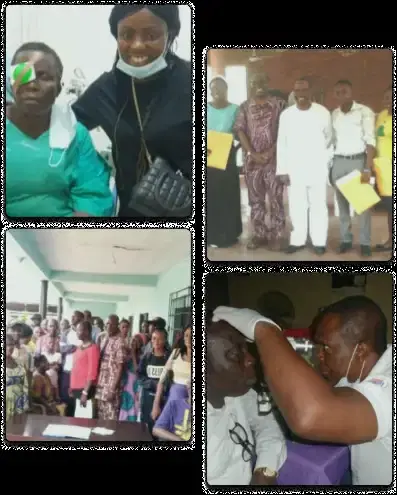
The Itsekiri community punches above its weight professionally. Itsekiri physicians, engineers, lawyers, academics, and entrepreneurs have built careers across Nigeria and internationally. The INC-USA Telehealth program is built specifically on the volunteer labor of Itsekiri diaspora physicians who deliver primary care to the Niger Delta remotely — a direct expression of how professional capital translates into community impact.
University professors, hospital chiefs of service, corporate executives, and senior government officials of Itsekiri heritage are found across the United States, Canada, the United Kingdom, and Nigeria. This professional density is a major asset for community development.
Warri in Nigerian culture
Warri occupies a distinctive place in Nigerian popular culture. Warri humor, slang, music, and attitude have national reach — Nigerian comedians, musicians, and content creators from Warri are widely known, and the city's reputation for resilience, wit, and directness is part of the Nigerian cultural vocabulary. This cultural presence brings visibility to the broader Itsekiri homeland even beyond Itsekiri specifics.
Politics and civic leadership
Itsekiri politicians and civic leaders have served at federal, state, and local levels throughout Nigeria's post-independence history. The community is politically active in Delta State, where complex dynamics among the Itsekiri, Urhobo, and Ijaw populations structure electoral, chieftaincy, and development politics. The Olu of Warri, while not holding executive political office, is a consistent high-level participant in Nigerian national institutional life.
Youth, migration, and opportunity
Itsekiri youth navigate the same patterns as Nigerian youth more broadly — strong educational aspirations, significant internal migration to Lagos and Abuja, and growing international migration in search of education and professional opportunity. Diaspora flows to the United States, the United Kingdom, and Canada have built substantial Itsekiri communities abroad.
INC-USA's programs — scholarships, Iwere Academy, Convention, cultural preservation — are designed in part to keep this generation connected to heritage while supporting their global aspirations. The relationship between opportunity and identity is a defining contemporary question for the community.
The cultural renaissance
Alongside economic and professional life, Itsekiri cultural life is experiencing an active renaissance. Language revitalization efforts, documentary projects, fashion revival, diaspora cultural events, social media creators centering Iwere heritage, and major gatherings like the INC-USA Convention are all part of a sustained attention to cultural continuity.
A note on change: Contemporary Itsekiri life is dynamic. Economic conditions, political relationships, and cultural trends shift year by year. Readers should supplement this overview with current reporting, community sources, and direct contact with Itsekiri institutions and families.
Explore further
- Itsekiri Homeland Geography
- The Itsekiri Diaspora
- Warri and Beyond
- Itsekiri People: Complete Guide
- The Olu of Warri
- Telehealth — diaspora meets homeland
Frequently asked questions
What does contemporary Itsekiri life look like?
Contemporary Itsekiri life spans a wide arc — from Delta State communities in Warri, Koko, Ugbokodo, and Ugborodo to diaspora hubs in Houston, London, Washington, Atlanta, Toronto, and beyond. Itsekiri today include oil industry professionals, doctors, lawyers, academics, artists, entrepreneurs, and civic leaders. The Olu of Warri remains a revered figure. Cultural life continues through weddings, funerals, festivals, and the active preservation work of organizations like INC-USA.
What is the Itsekiri economy today?
The Itsekiri homeland economy centers on the oil and gas industry — with Itsekiri territory hosting the Escravos terminal and other major operations — alongside fishing, trade, services, and logistics. Many Itsekiri work in professional sectors in Warri, Lagos, Abuja, and abroad. In the diaspora, Itsekiri professionals are present across healthcare, technology, finance, academia, and the arts. The community is economically diverse, with both substantial wealth and continuing inequality.
Who was JP Clark?
JP Clark (John Pepper Clark-Bekederemo, 1935-2020) was one of Nigeria's most celebrated poets, playwrights, and scholars, and an Itsekiri-Ijaw by heritage. His works — including poems like Abiku and plays like Song of a Goat and Ozidi — helped define modern Nigerian literature. Clark drew on Niger Delta life, myth, and language in his writing and was a foundational figure in African literature's emergence onto the global stage.
Are there famous Itsekiri people today?
The Itsekiri community includes prominent figures across many fields — politicians, business leaders, scholars, artists, athletes, physicians, and civil society figures. Because the Itsekiri population is modest relative to Nigeria's larger ethnic groups, individual contributions often carry significant weight within the community. Public recognition varies, but many Itsekiri have had notable careers in Nigerian governance, petroleum, law, medicine, and the arts.
How does the oil industry affect Itsekiri communities today?
The oil industry remains central to Itsekiri communities' daily reality. Employment, contracts, royalties, and infrastructure have brought material benefits. Spills, gas flaring, pipeline leaks, and environmental degradation continue to harm health and livelihoods. Community negotiations with oil companies, government, and other Delta groups are ongoing. Organizations like INC-USA engage with these realities through health programming, advocacy support, and economic development projects.
What role does Warri play in Nigerian politics?
Warri and Itsekiri leadership have been consistently engaged in Nigerian political life since independence. Itsekiri politicians have served at federal, state, and local levels. The Olu of Warri is a national-scale figure in traditional institutional politics. Warri itself hosts complex political dynamics among the Itsekiri, Urhobo, and Ijaw communities, which play out through electoral politics, chieftaincy disputes, and resource governance. The city remains a political bellwether for the western Niger Delta.
What is the state of Itsekiri youth and migration?
Itsekiri youth face a dual reality. Many pursue education and careers in Lagos, Abuja, and internationally — reflecting broader Nigerian migration patterns. Others build lives and businesses in Warri and the wider Delta. Diaspora migration has created vibrant Itsekiri communities across the United States, United Kingdom, and Canada. Organizations like Iwere Academy and INC-USA scholarships work to connect Itsekiri youth to opportunity while preserving cultural continuity across distance.